Health and Safety Policy for St Giles Storage
 St Giles Storage is committed to maintaining a safe, secure, and well-managed environment for employees, customers, contractors, and visitors. This health and safety policy sets out the principles and standards that support safe storage operations, responsible behaviour on site, and ongoing risk control. Our aim is to prevent accidents, reduce hazards, and promote a workplace culture where safety is treated as a shared responsibility.
We recognise that storage facilities can involve a range of risks, including manual handling strain, slips and trips, fire hazards, vehicle movement, and exposure to unsuitable loading practices. To manage these risks, St Giles Storage applies practical controls, regular checks, and clear expectations for everyone who enters or works within the facility. All safety measures are designed to be proportionate, effective, and aligned with the needs of a modern storage environment.
 The company expects all staff and service users to act with care and to follow reasonable safety instructions at all times. This includes using equipment correctly, keeping access routes clear, reporting defects promptly, and avoiding behaviour that could endanger others. A strong safety culture depends on awareness, consistent supervision, and the willingness of everyone to take responsibility for their actions.
Our Commitment to Safe Operations
St Giles Storage will provide and maintain a safe working environment so far as is reasonably practicable. This includes ensuring that buildings, storage areas, and shared spaces are kept in suitable condition and that hazards are identified before they create harm. We will assess the risks associated with normal operations and apply controls such as signage, housekeeping standards, safe access arrangements, and appropriate equipment use.
Fire safety is a key part of this policy. Suitable precautions will be taken to reduce ignition risks, maintain clear escape routes, and support emergency response procedures. Staff are expected to know the basic evacuation process and to cooperate fully during drills or genuine emergencies. Storage areas must never be used in ways that obstruct exits, overload structures, or introduce unnecessary fire load.
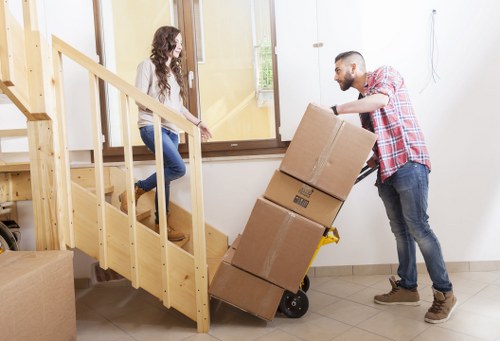 Manual handling is another important focus. Items stored or moved within the premises may be heavy, awkward, or fragile, so lifting tasks should be planned carefully and completed using safe techniques. Where possible, mechanical aids should be used to reduce physical strain. If a load is too difficult to move safely, the task should be paused and additional support sought rather than forcing the issue.
Responsibilities and Expectations
Management is responsible for setting the standards that make safe practice possible. This includes reviewing risk assessments, maintaining equipment, arranging training where needed, and responding promptly to reported hazards. Supervisors must encourage good practice and ensure that safety procedures are followed consistently. They should also monitor recurring issues, such as blocked walkways or unsafe stacking, and address them without delay.
Employees are expected to take reasonable care for their own safety and for the safety of others who may be affected by their actions. They should use protective equipment where required, follow site rules, and avoid taking shortcuts that could increase risk. Unsafe storage, careless movement of goods, and poor housekeeping are not acceptable and may create danger for everyone on site.
Customers and visitors also play a vital role in maintaining safe conditions. They should respect restricted areas, remain alert to moving vehicles or equipment, and store property in a manner that does not compromise access or stability. If a person is unsure how to handle an item safely or notices a potential hazard, they should stop and seek guidance before continuing.
Risk Control and Site Safety Measures
 The storage environment will be inspected regularly to identify hazards such as damaged flooring, faulty lighting, spills, unsecured goods, and cluttered corridors. Any defect that could affect health or safety must be reported as soon as it is noticed. Corrective action will be prioritised according to the level of risk, with urgent issues dealt with immediately where necessary.
Good housekeeping is essential in preventing incidents. Walkways, loading zones, and shared access points should remain clear, while items must be stacked securely and in accordance with safe weight distribution principles. Materials should not be placed in a way that could fall, shift, or block movement. Consistent organisation helps reduce avoidable accidents and supports efficient day-to-day operations.
Personal protective equipment may be required in some circumstances, depending on the task being completed. Where PPE is necessary, it must be worn correctly and kept in usable condition. It is not a substitute for safe planning, but it can provide an additional layer of protection when used alongside proper procedures and common sense.
Training, Reporting, and Emergency Preparedness
Training is an important part of this policy and will be provided to ensure that staff understand the hazards associated with storage work and know how to respond appropriately. Instruction may cover manual handling, fire awareness, safe use of equipment, incident reporting, and other relevant topics. Refresher training will be arranged when needed to maintain a high standard of competence.
All accidents, near misses, and unsafe conditions should be reported promptly so that lessons can be learned and corrective action can be taken. Reporting is encouraged because it helps prevent repeated problems and supports a proactive approach to risk management. Records of incidents will be reviewed to identify trends and improve future safety controls.
 Emergency procedures will be kept clear, practical, and easy to follow. In the event of fire, injury, or another serious incident, staff and visitors should respond calmly and follow instructions from designated personnel. Emergency equipment must remain accessible, and all escape routes must be kept unobstructed at all times. Regular review of these arrangements helps ensure that St Giles Storage remains prepared for unexpected situations.
Policy Review and Ongoing Improvement
This health and safety policy will be reviewed periodically to confirm that it remains suitable, effective, and up to date. Changes in operations, equipment, occupancy, or risk profile may require adjustments to the controls in place. The policy may also be updated following incidents, audit findings, or other evidence that shows a better approach is needed.
St Giles Storage believes that safety is not a single action but an ongoing commitment. By combining sensible procedures, attentive supervision, and cooperation from everyone on site, we can create a secure storage environment that protects people and property alike. The goal is simple: reduce risk, support safe practice, and maintain confidence in every part of the operation.